

Choosing Between a Dahabiya and a Nile Cruise
The Nile river is often painted with words, but experiencing it is a different matter entirely. There’s an allure to floating down a waterway where palms sway lazily on the banks and life unfolds at a much gentler pace. Travelers enamored with Egypt often cite their time on the Nile as the highlight of their trip, leading to a common dilemma: should one opt for a dahabiya or a traditional Nile cruise ship?
Comparing Experiences: Traditional Cruises vs. Dahabiyas
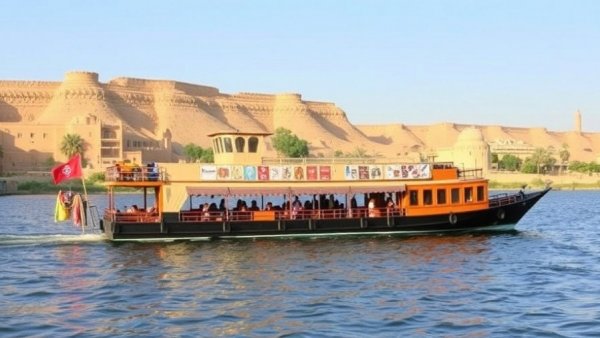
Picture a Nile cruise ship: a floating hotel complete with multiple decks, restaurants, lounges, and sometimes even a pool. For those who enjoy having amenities within reach, larger cruise ships can be ideal. They offer vibrant social atmospheres where travelers mingle and share stories. However, the experience can sometimes feel more like a resort stay, where the essence of the river itself can be overshadowed by all the activities onboard.
Dahabiyas, on the other hand, showcase a different aspect of the river travel. These traditional sailing boats offer a more intimate experience with fewer cabins, which means quieter shared spaces and deeper connection to the river’s surroundings. Guests on a dahabiya often find themselves spending lazy afternoons simply taking in the views rather than adhering to a set schedule. This more relaxed pace can appeal to those seeking tranquility and a more genuine connection with the Nile.
Understanding the Rhythm of the River
The pacing of each type of journey vastly differs. Cruise ships typically have set itineraries with planned excursions, making them perfect for travelers on a tight schedule who wish to maximize their sightseeing. The structured timetable offers a comforting sense of order, especially beneficial for first-time visitors wanting to see major sites like Luxor and Karnak.
Dahabiyas, conversely, offer the charm of spontaneous moments where the boat may moor to enjoy a sunset or a quaint riverside village at its leisure. The experience typically revolves more around the sailing itself than just the destinations, giving passengers a chance to appreciate the simplicity of life on the river. But it’s essential to remember that not all dahabiyas are created equal; some boast luxury and meticulous design while others might be more basic.
Exploring Egypt's Rich History
Both dahabiyas and cruise ships provide access to Egypt’s ancient sites, yet the context in which one sees these landmarks can differ significantly. Traditional cruise ships generally ferry larger groups, impacting the quality of the guiding experience. In contrast, smaller boats can facilitate fewer disruptions, making stops that allow for quieter interactions with the culture and history of Egypt.
For those eager to explore less touristy routes, a dahabiya can sometimes offer the chance to visit lesser-known sites along the Nile, steering away from the path most traveled. To customize your experience, it’s crucial to discuss itineraries with operators so you end up with the sights that matter to you.
Making the Right Choice for Your Adventure
In deciding between these two options, it’s not just about size or luxury; it’s about aligning your travel preferences with how you want to experience the Nile. If you’re looking for structured touring, entertainment, and social events, a traditional Nile cruise will probably suit you well. On the other hand, if your priority is personal reflection and a chance to savor the stunning landscapes at a slower pace, a dahabiya would be a fantastic choice.
The beauty lies in the details: Investigate each boat's history and amenities, study the available packages, and understand the routes before you book. Your Nile journey should resonate with your travel aspirations!
Conclusion: Your Dream Nile Trip Awaits
Whether you choose a dahabiya or a traditional cruise, your experience will undoubtedly be life-changing. The important thing is to understand your own preferences and pick the option that enhances your connection with this majestic river. After all, the Nile isn’t just a waterway; it’s a journey through time and culture.





Write A Comment