

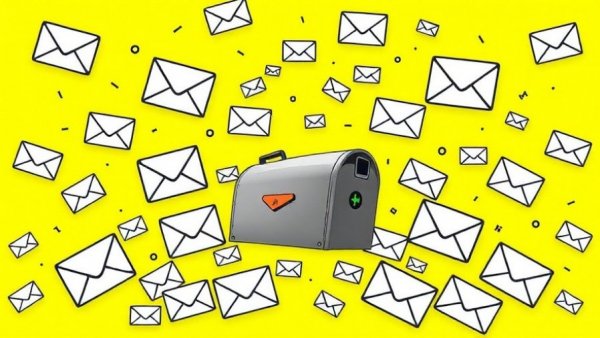
Unveiling the AI Revolution in Your Inbox
We are witnessing an exceptional surge in the Artificial Intelligence (AI) landscape, where its influence permeates a myriad of sectors, not excluding the personalized realm of email communication. With the likes of Pangram, AI is set to redefine how we view our daily interactions in email. Its latest integration into Gmail is striking, prompting us to question: Just how efficient is AI at composing our messages? In this article, we'll delve into the nuances of this technology and its implications.
The Need for AI Detection Tools
Nowadays, as AI-generated content proliferates—from marketing materials to personal emails—the necessity for a discerning tool like Pangram mounts. This browser extension employs sophisticated algorithms to sift through your Gmail to gauge whether an email is crafted by human hands or an AI program. The interest surrounding this tool stems from a broad concern regarding deception in electronic communication and the need for verification in an increasingly automated world.
How Pangram Operates: A Closer Look
Connecting your Gmail to Pangram is a straightforward process that commences with a basic authorization step. Once integration is complete, Pangram diligently scans your inbox to analyze your most recent email threads—100 to be precise. Unlike many tools that offer fleeting analyses, Pangram assures users that their data remains confidential and isn’t utilized for further training of the detection models. Users can even configure specific criteria—be it sender, keywords, or domain—to exclude certain emails from scrutiny, thus tailoring the experience to their individual needs.
The Analysis of My Inbox
Upon running a scan of my email inbox, the results were enlightening. Out of 108 threads reviewed, 8 were identified as possibly AI-generated, while 37 were confirmed as human communications. Alarmingly, this data indicates over half of my incoming messages were likely formulated by AI, primarily in the form of press releases. With the growing industry trend towards AI-generated communication, this statistic resonates deeply. It highlights the imperative for professionals like Marcus in service-oriented industries to remain vigilant about the content they consume and produce.
Accuracy of AI Detection: What the Data Shows
The accuracy of Pangram's detection algorithms is vital for users who may worry about being misled. In my personal testing, emails crafted authentically by individuals were never misidentified; however, communications generated using tools like Microsoft Copilot were correctly flagged. This indicates a commendable reliability in identifying AI-generated content, offering peace of mind as professionals navigate the evolving landscape of digital communication.
Potential Implications for Businesses
The rise of AI in email correspondence could have significant implications for service-based industries. With the capacity for AI to create coherent and persuasive content, businesses must be aware of how this could reshape client interactions. AI integration, while revolutionary, poses challenges regarding authenticity and trust. The ability to discern human from machine-written content could soon become an essential skill set—one that industry professionals must adapt to in order to retain a competitive edge.
Emerging Trends in AI Technology
The use of AI detection tools like Pangram underscores a larger trend in technology where AI's role continues to expand. As AI becomes more sophisticated, its applications in sectors like marketing, customer service, and even content creation will likely multiply. Understanding AI's ever-shifting landscape will be crucial for mid-level professionals as well as small business owners seeking to innovate their service delivery and maintain client trust. This evolving narrative invites both excitement and caution in examining technology's ability to redefine our communication norms.
Final Thoughts and Insights
As we navigate this digital revolution, staying informed about technological advancements like AI detection is vital. The integration of tools such as Pangram presents an exciting opportunity but also raises important questions about authenticity in communication. For professionals in service industries, embracing these changes while maintaining transparency with clients will help foster trust and retain a competitive edge. It’s a fine balance, but with the right tools and insights, navigating this new terrain is possible.




Write A Comment